Culture & community / Local guide
Sustainability: Packaging Waste and California’s Cannabis Trash Problem
Child-resistant tubes and multilayer pouches protect kids, and fill trash cans. South Bay shoppers can reduce waste without pretending regulation is optional.
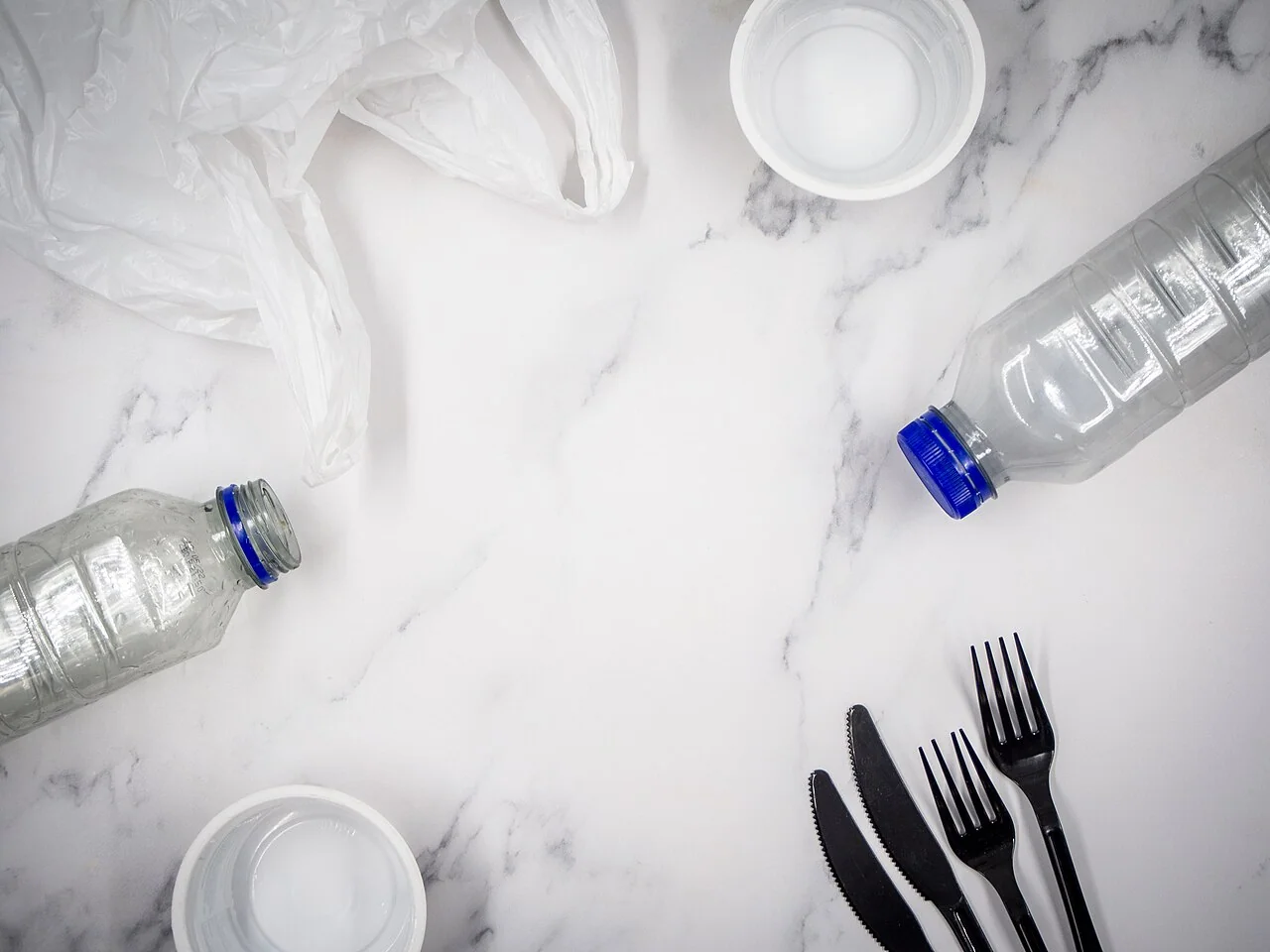
Open any legal cannabis bag in San Jose and you will meet the industry’s environmental paradox: layers of plastic, paper warnings, tamper bands, and rigid tubes designed to defeat small hands. Those features exist because California requires child-resistant and tamper-evident packaging for many products. They also create a trash stream that municipal recycling bins were never designed to love.
Public discussion of “pot’s plastic problem” has followed legalization across North America. Child-resistance, odor control, and freshness rules push brands toward materials that are durable and often multilayered, exactly the combinations that confuse recycling facilities. Industry and advocacy pieces have estimated large volumes of single-use cannabis packaging entering waste systems; even when specific tonnage figures vary by study, South Bay shoppers can see the local evidence in their own kitchen after a month of gummies and pre-rolls.
California’s State Auditor reported in 2025 that Poison Control calls related to cannabis ingestion among children five and younger rose 469 percent from 2016 to 2023, underscoring why child-resistant design remains non-negotiable. The same audit criticized unclear rules and uneven enforcement around packaging that may be attractive to children. Shoppers live between those poles: keep kids safe, stop filling landfills with unnecessary shells, and still buy tested product.
What can a consumer actually do? First, buy only what you will finish. Deal culture encourages stockpiling; leftover packaging multiplies either way. Second, prefer formats with less nested plastic when they meet your needs, some bulk flower jars and certain reusable approaches reduce per-use waste compared with a forest of single pre-roll tubes, though availability varies. Third, follow city sorting rules honestly. Wish-cycling dirty multilayer pouches into recycling can contaminate loads; when in doubt, trash correctly rather than “hope recycle.” Fourth, ask retailers whether they participate in any take-back or specialized recycling pilots, without turning this article into a single-store advertisement. Participation changes; the question travels.
Manufacturers and regulators share the harder work: designing child-resistant systems that use less material, clarifying recyclability claims, and enforcing rules against packaging that markets to kids. California has also moved on broader packaging claims, shoppers will see recycling language evolve as state truth-in-labeling rules take hold for packaging made after future compliance dates. Read claims skeptically; a green leaf logo is not a materials science report.
Illicit market product does not solve sustainability. Untested bags may use less formal packaging, but they also skip the safety architecture and tax base that fund oversight. Environmental frustration is real; it is not a rationale to abandon licensed retail.
San Jose’s scarce storefront map means many shoppers already consolidate trips. Use that habit: plan purchases, decline redundant bags when you can carry a reusable tote for non-cannabis items outside the exit, and store empty packages safely until disposal so pets and kids never treat them as toys. If you home-grow within plant limits, you still need lawful packaging when transporting beyond personal possession norms, and you still generate waste from nutrients and plastics in the grow itself.
Sustainability for cannabis consumers is incremental, not pure. Keep child resistance. Reduce impulse plastic. Sort honestly. Support clearer rules. The goal is fewer tubes in the landfill without more gummies in toddler hands, a trade space San Jose households navigate every week.
Local shoppers can keep this guidance beside the other essentials of adult-use life in San Jose: verify sellers on SJPD’s registered cannabis businesses list, keep receipts, store products away from children and pets, and consume only on private property where household rules allow. Those habits will not settle every debate, but they keep ordinary weekends inside the lawful, lower-drama lane this market was built to support.
When details are unclear, slow down, verify with primary sources, and ask a qualified professional before improvising.