City life & consumer policy / Local guide
How to Read SJPD’s Registered Cannabis List Before You Shop
The city’s public registry, not a deal flyer, is the map of who may lawfully sell or deliver cannabis in San Jose.
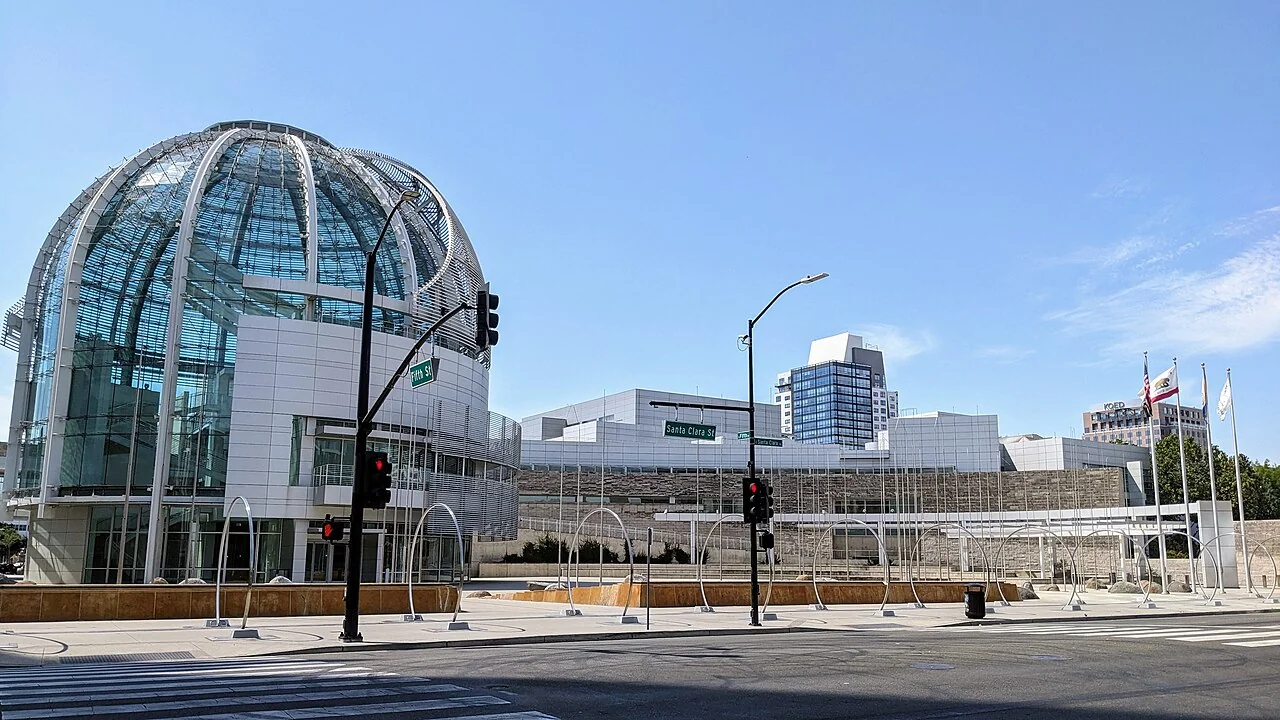
If you buy cannabis in San Jose, the most important web page is not a social-media menu. It is the San Jose Police Department’s registered cannabis businesses list, the city’s plain-language inventory of who may lawfully sell or deliver here.
SJPD’s Division of Cannabis Regulation states the rule without ambiguity: any cannabis business or delivery service not on the registered list is not registered with the city and is not operating lawfully under the San Jose Municipal Code. The department’s “Be Confident – Buy Legal” guidance explains why that matters for ordinary shoppers. Registered businesses are required to meet security, lighting, and nuisance standards. Products sold through the legal channel are subject to California testing and labeling rules. County weights-and-measures checks apply to scales. If something goes wrong, consumers have city and state complaint channels rather than an anonymous phone number.
A snapshot of the registered locations page labeled “as of 05/29/2026” listed roughly twenty named businesses with addresses, council districts, phone numbers, and a delivery column. That table is the working inventory most locals should start from when planning a first visit or verifying a delivery claim. Treat the “as of” date as part of the information: new registrations can appear after a snapshot, and a shop that closed or relocated may lag until the next refresh.
Reading the table well means noticing what it does not promise. The delivery column marks some shops with an explicit “No.” Other rows leave the cell blank or otherwise unmarked in the published table. Blank should not be treated as a guarantee of delivery; it is ambiguity. Call the shop or check its current ordering tools before assuming a van will come. SJPD’s FAQ guidance reinforces that only city-registered businesses that applied for and received Notice of Completed Registration may conduct deliveries.
Council district numbers on the same table help with neighborhood planning. District 3 clusters several Northside and downtown-adjacent shops. District 7 holds a dense South San Jose and industrial-corridor group. Other districts appear with fewer entries. District labels change only when the city updates the list; they are a consumer convenience, not a zoning substitute.
A useful habit when a shop is new or newly branded is to cross-check the state retail license number against the city registration list. California’s Department of Cannabis Control license search and SJPD’s city list answer different questions. State licensing does not replace city registration, and city registration does not erase state rules. Shoppers protect themselves by confirming both when something looks unfamiliar.
SJPD does not advocate cannabis use. Its message is conditional: if you choose to buy in San Jose, buy from registered businesses. Illegal sales can be reported to the state Department of Cannabis Control, city code enforcement, or police channels listed on the buy-legal guidance. For health questions, the department points readers to California Department of Public Health resources; for addiction help, to Santa Clara County Behavioral Health Services.
In a city where storefronts are scarce and delivery apps proliferate, the registered list is the difference between a tested jar with a track-and-trace history and an unknown bag. Bookmark it. Check the date. Match the name and address. Then shop, knowing the business that takes your ID is the one the city actually authorized.
A practical checklist helps. First, open the SJPD registered locations page and note the “as of” date. Second, search for the exact business name and street address you intend to visit or order from. Third, if the shop is newly opened or recently rebranded, confirm the state license number on the store’s own materials and ask staff whether city registration is complete. Fourth, for delivery, ignore flashy third-party ads until the operator appears on the city list and the shop confirms it holds delivery authorization. Fifth, keep receipts; regulated retailers can identify batches if a product problem arises.
None of this requires distrust of budtenders. It requires the same caution people already use when a restaurant health score is missing from the door. San Jose built a finite, inspectable retail system. The registered list is how that system talks to the public.