City life & consumer policy / Local guide
Unincorporated Santa Clara County vs. City of San Jose Shopping
County commercial bans push many South Bay buyers into San Jose’s licensed storefronts, and city tax reality.
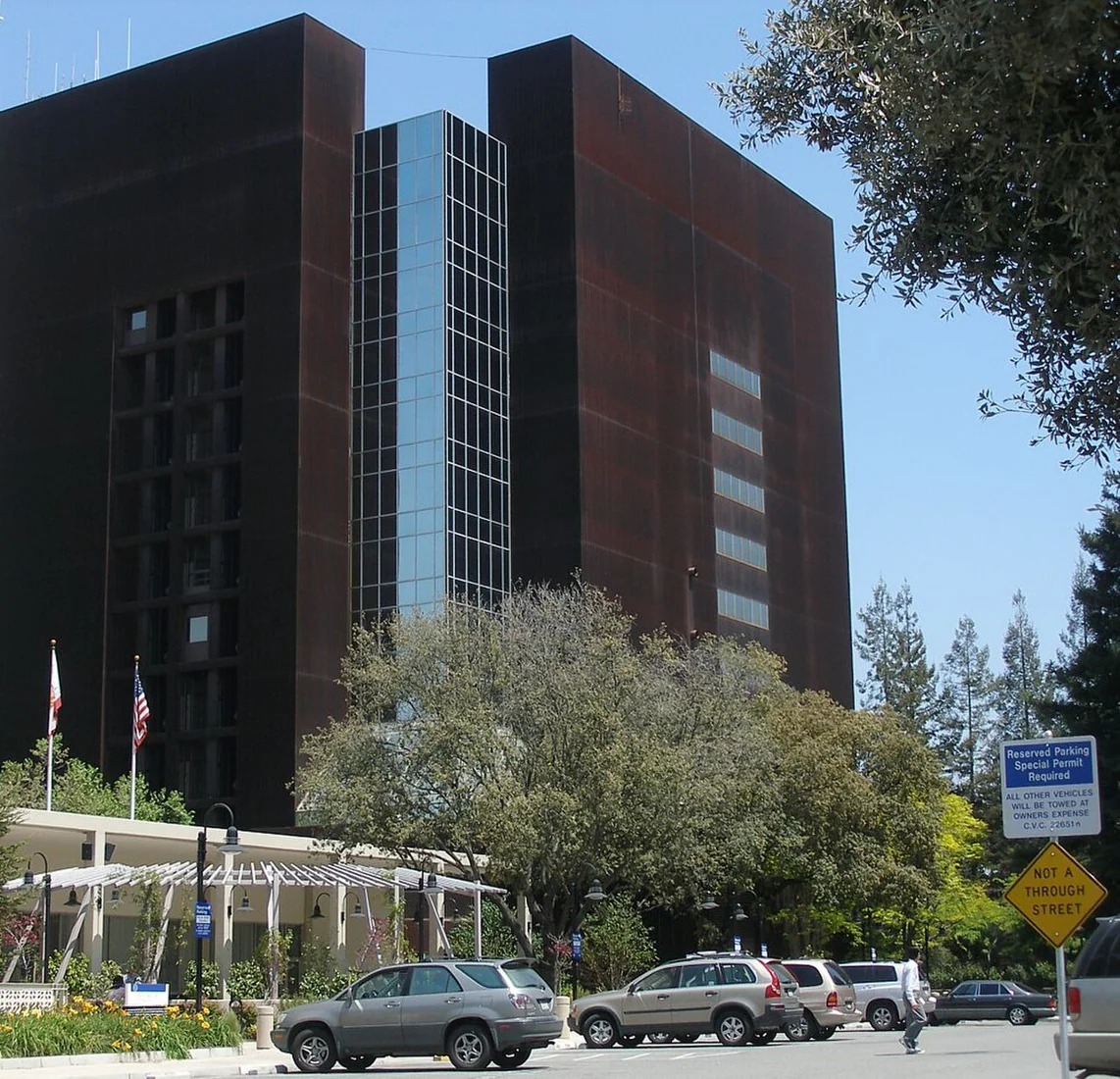
Many South Bay cannabis shoppers do not live inside San Jose city limits, yet they buy there anyway. One structural reason is written into Santa Clara County code. Division B26.5 prohibits establishing, maintaining, or operating commercial cannabis activity in the unincorporated area of the county. Section B26.5-3 states that prohibition plainly and includes clarifying language about licensed transport on public roads. Ordinance NS-300.927, adopted Sept. 11, 2018, anchors the modern ban language.
In practice, unincorporated pockets of Santa Clara County are not a place to expect a lawful dispensary storefront, delivery depot, or commercial grow. Residents there who want licensed retail generally drive into cities that permit it, San Jose among the largest. SJPD’s registered cannabis businesses page lists roughly twenty San Jose operators with addresses across council districts. The page’s warning is equally important for county residents: any cannabis business or delivery service not on the list is not registered with the city and is not operating lawfully under the San Jose Municipal Code.
The distinction between commercial bans and personal cultivation rules is easy to blur. County commercial prohibition is about business activity. California’s adult personal cultivation framework is a separate lane under state law for private residences, with plant-count and visibility limits and room for local regulation. This article’s focus is the commercial funnel into city shops, not a how-to for home gardens. Shoppers unsure about their address jurisdiction should check whether they live in the city of San Jose or in unincorporated county territory before assuming a delivery app is lawful.
Taxes travel with the purchase. When county residents buy inside San Jose, they enter the city’s tax environment. CDTFA materials for mid-2026 list San Jose’s combined sales and use tax rate at 10.000 percent. Separately, San Jose’s Measure U cannabis business tax framework authorizes a retail gross-receipts tax of up to 10 percent historically applied through Chapter 4.66, an amount that shows up in shelf pricing even when it is not itemized the way sales tax is. None of this is tax advice; it is consumer context for why South Bay tickets feel heavy compared with rumor-market expectations.
Delivery questions deserve special care. SJPD FAQ guidance states that only registered cannabis businesses that applied for and received Notice of Completed Registration may conduct deliveries. Ordinance 31273 increased allowed delivery locations to correspond with allowed retail storefront locations per business, but that city rule does not rewrite the county’s commercial ban in unincorporated areas. Confirm the retailer on SJPD’s list, ask the shop about service areas, and avoid arrangements that sound like unlicensed mid-county drop-offs.
Nearby cities with thinner cannabis retail footprints add to the inbound traffic. San Jose’s density of registered shops, relative to unincorporated blank space, makes several industrial and downtown-adjacent corridors regional destinations on weekends. For drivers, the practical map is familiar: plan parking, check hours, and verify registration before you go. Early trips can reduce weekend congestion for county residents making a deliberate city run.
Federal headlines do not erase this local geography. Even as federal medical Schedule III actions moved certain medical products, adult-use cannabis remains constrained under federal analysis for recreational shoppers. County and city rules still govern where you can lawfully buy. The journalism takeaway for late 2026 is structural: unincorporated Santa Clara County’s commercial cannabis ban funnels demand into San Jose’s licensed storefronts. Shop registered, verify delivery claims, budget for city tax reality, and leave the gray-market shortcuts alone.
Adults who already prefer licensed San Jose retailers can treat the guidance above as maintenance, not conversion: verify the shop, read the label, budget for tax, and leave gray-market shortcuts alone. That steady habit is how a capped local market stays accountable to the people who shop it.
When in doubt, reopen SJPD’s registered cannabis businesses page and the Department of Cannabis Control’s consumer “what’s legal” guide before you spend cash.