City life & consumer policy / News & features
East San Jose Gambling Raid: Illicit Cannabis in Crime Scenes vs. Licensed Retail
SJPD’s Sept. 16 seizure paired illegal gaming machines with about 13 pounds of marijuana. For licensed shoppers, the lesson is supply-chain clarity, not panic.
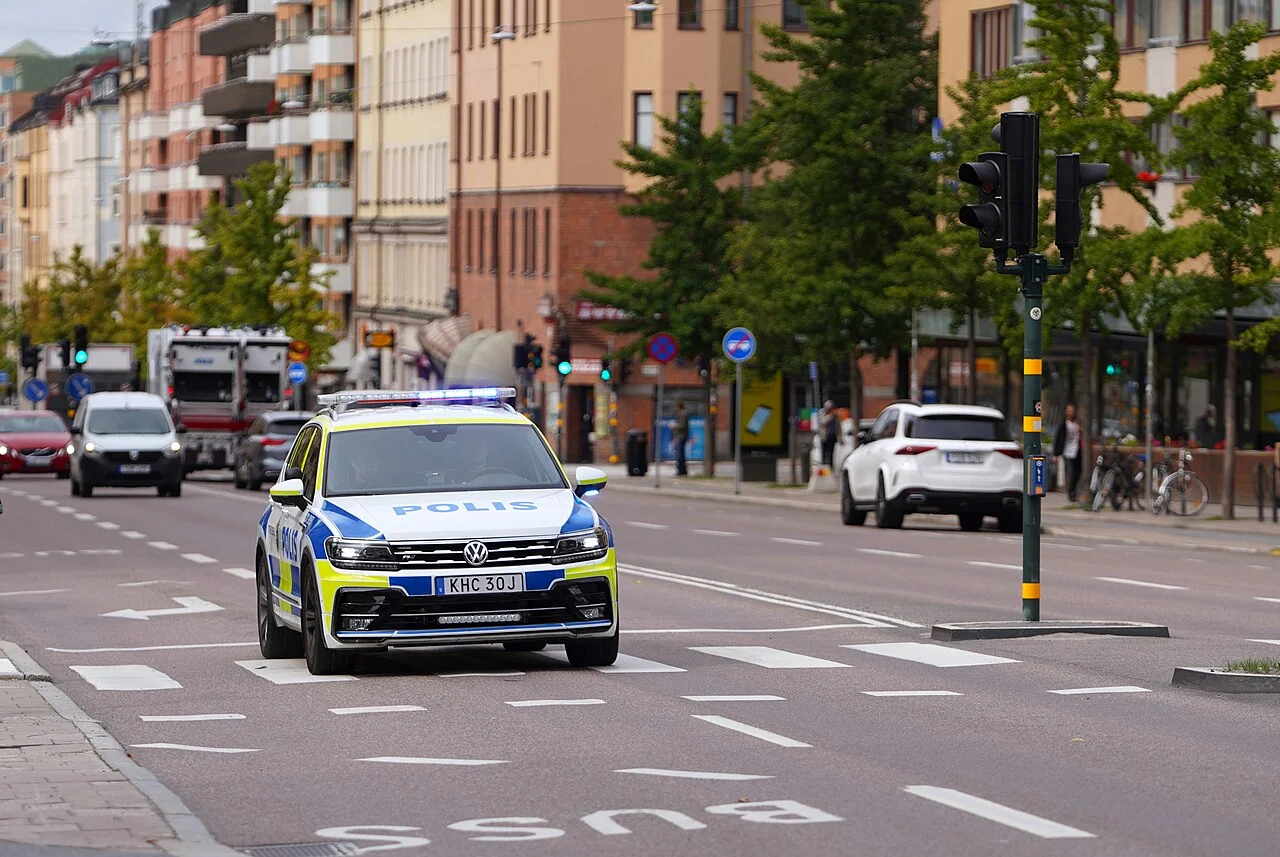
San Jose Police Department officers announced on Sept. 16, 2026, that they had shut down an east San Jose clandestine gambling establishment after a months-long investigation and a search warrant. According to SJPD’s public account on X, officers seized 14 illegal gambling machines, about 13 pounds of marijuana, cash, narcotics, and parts used to manufacture machines. Five people were arrested, and 17 others were cited.
Refresh the framing for adults who already shop licensed counters: this is not a story claiming every informal bag funds a gambling den. It is a documented case where unregulated cannabis appeared inside another illegal business, far from California’s tested, taxed, and track-and-trace retail system. SJPD did not describe the seized marijuana as inventory from a registered San Jose storefront. The department reported a combination that matters to community safety: illicit gaming infrastructure, cash, narcotics, and a sizable marijuana haul recovered together.
That mix is why San Jose’s “buy legal” message stays practical even for shoppers who never go near an illegal gaming house. Registered cannabis businesses must meet security, lighting, and nuisance standards under local rules. Products sold through the legal channel are subject to California testing and labeling. County weights-and-measures checks apply to scales. If something goes wrong, consumers have identifiable businesses, receipts, and complaint channels rather than an anonymous room behind a commercial facade.
San Jose’s legal storefront map sharpens the distinction. The city’s Division of Cannabis Regulation continues to state that applications for new retail storefronts, delivery-only businesses, and cultivation remain closed through ordinary intake, while manufacturing, distribution, and testing stay open. Equity rules allow up to ten retail registrations for qualified equity owners who complete academy training, a narrow on-ramp, not a flood of new shops. In a city of nearly a million residents, scarcity means many neighborhoods still require a deliberate trip to a lawful counter. Scarcity does not excuse illicit sales. It helps explain why enforcement stories and retail stories collide in the same news cycle. When storefronts are few, demand does not disappear; it either drives to a registered address, orders from a city-authorized delivery operator, or drifts toward informal sources.
SJPD’s Division of Cannabis Regulation states the rule plainly on its registered-businesses page: any cannabis business or delivery service not on the city’s list is not operating lawfully under the San Jose Municipal Code. A gambling raid with marijuana on the inventory list is one more reminder that “someone had flower” is not the same as “someone held a state retail license and city registration.”
Shoppers do not need to become amateur investigators. Check the live SJPD registered cannabis businesses list before visiting a new shop or answering a delivery pitch. Match the business name and street address. For newer openings, cross-check the state retail license number against city registration rather than assuming a social-media flyer equals authorization. Keep receipts. Those steps do not moralize adult use; they treat cannabis the way San Jose already treats other regulated goods, with an inspectable seller on the other side of the counter.
Community safety belongs in the picture without fearmongering. Illegal gambling dens and similar underground businesses can attract violence, fraud, and organized criminal activity, concerns SJPD has raised around such enforcement. Cannabis appearing in those environments does not prove every unlicensed bag funds the same harms. It does show why the legal retail system exists as a different marketplace: ID checks, security requirements, tax collection, and product testing that backroom channels do not guarantee.
South Bay adults who already prefer licensed shops can read the east San Jose seizure as confirmation rather than conversion. The regulated aisle is not perfect, prices stack taxes, menus can feel repetitive in a capped market, and parking is rarely glamorous. What it offers is accountability. A jar with a track-and-trace history is harder to confuse with inventory recovered next to illicit gaming machines. In a market where new storefronts arrive slowly, protecting that distinction is part of being a careful local consumer.
None of this requires pretending adult cannabis use is risk-free or that enforcement alone solves underground economies. It asks a narrower question shoppers can answer every week: Who sold this, and are they on San Jose’s registered list? When SJPD reports pounds of marijuana inside a clandestine gambling bust, the licensed counter’s value is not abstract. It is the difference between a regulated purchase and product living in the same case file as illegal machines, cash, and narcotics.