City life & consumer policy / Local guide
SB 34 Compassion Donations: How Free Medicine Pathways Work
California’s Dennis Peron and Brownie Mary Act lets licensed retailers donate tested medicinal cannabis to qualifying patients, not recreational bargain hunters.
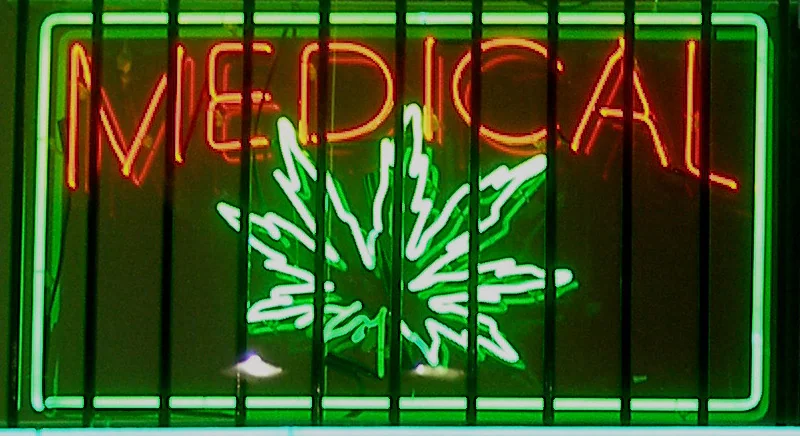
Not every San Jose cannabis trip is a recreational weekend errand. For some residents, a licensed counter is how they access medicine they struggle to afford after a diagnosis upends work and insurance. California’s SB 34, the Dennis Peron and Brownie Mary Act, created a statutory pathway for licensed operators to donate cannabis goods to medicinal patients under controlled conditions.
Bill materials and subsequent coverage describe a framework that allows designated licensees to donate medicinal cannabis products to qualified patients or primary caregivers who hold valid physician recommendations, with inventory tracked through the state’s track-and-trace system and with specified tax relief for eligible donated goods. Later legislation extended sunset timelines so the compassion pathway continues into the late 2020s rather than disappearing on an earlier deadline. Exact storefront enrollment steps vary by retailer; this article will not invent income cutoffs or forms that a particular shop has not published. The reliable consumer move is to ask a licensed shop’s patient services or management team what compassion inventory they currently have and what documentation they require.
Guardrails keep the pathway ethical. Compassion donations are not a loophole for recreational bargain hunting. They are tied to medical need and physician recommendation. Adult-use customers should not pressure staff to redirect patient inventory. Registered retailers must still follow city and state rules; donation does not mean untested product. Unlicensed sellers claiming to be “compassion clubs” without city registration remain outside SJPD’s lawful list.
If you are helping a family member explore options, start with a physician relationship, then visit a registered medical-and-adult-use retailer and ask specifically about SB 34 donation participation. Bring whatever recommendation documentation the shop requests. Be prepared for limited supply, “while available” is inherent to donated inventory. Consider also county and nonprofit resource lists for broader health-cost support; cannabis donation is one tool, not a complete safety net.
San Jose’s high-tax legal market makes affordability a live issue for patients. Measure U business taxes and CDTFA sales tax layers show up in shelf prices. Donation pathways exist partly because those economics can be impossible for people in medical crisis. That is a structural story, not a brand advertisement. Ask widely across registered retailers; compare documentation requirements; keep expectations tied to inventory reality.
Tone at the counter matters. Patients should not have to perform their illness for a discount, and staff should not be forced into public medical counseling they are not licensed to provide. SB 34 pathways work best when paperwork is clear, privacy is respected, and the product that changes hands is still tested, labeled, and logged like any other legal transfer.
September deal calendars will dominate Instagram. The compassion counter is quieter. It is also one of the clearest answers local retailers give when asked how a high-tax legal market still serves critically ill neighbors. Ask politely. Verify the shop on SJPD’s list. Let the written recommendation, not a rumor, lead the conversation.
Adults who already prefer licensed San Jose retailers can treat the guidance above as maintenance, not conversion: verify the shop, read the label, budget for tax, and leave gray-market shortcuts alone.
When in doubt, reopen SJPD’s registered cannabis businesses page and the Department of Cannabis Control’s consumer “what’s legal” guide.