Culture & community / Local guide
Women, Queer, and BIPOC Shoppers: Finding Respectful Rooms
Respect is a service standard, not a niche marketing slogan. Shoppers can spot it without needing a guided tour of any one store.
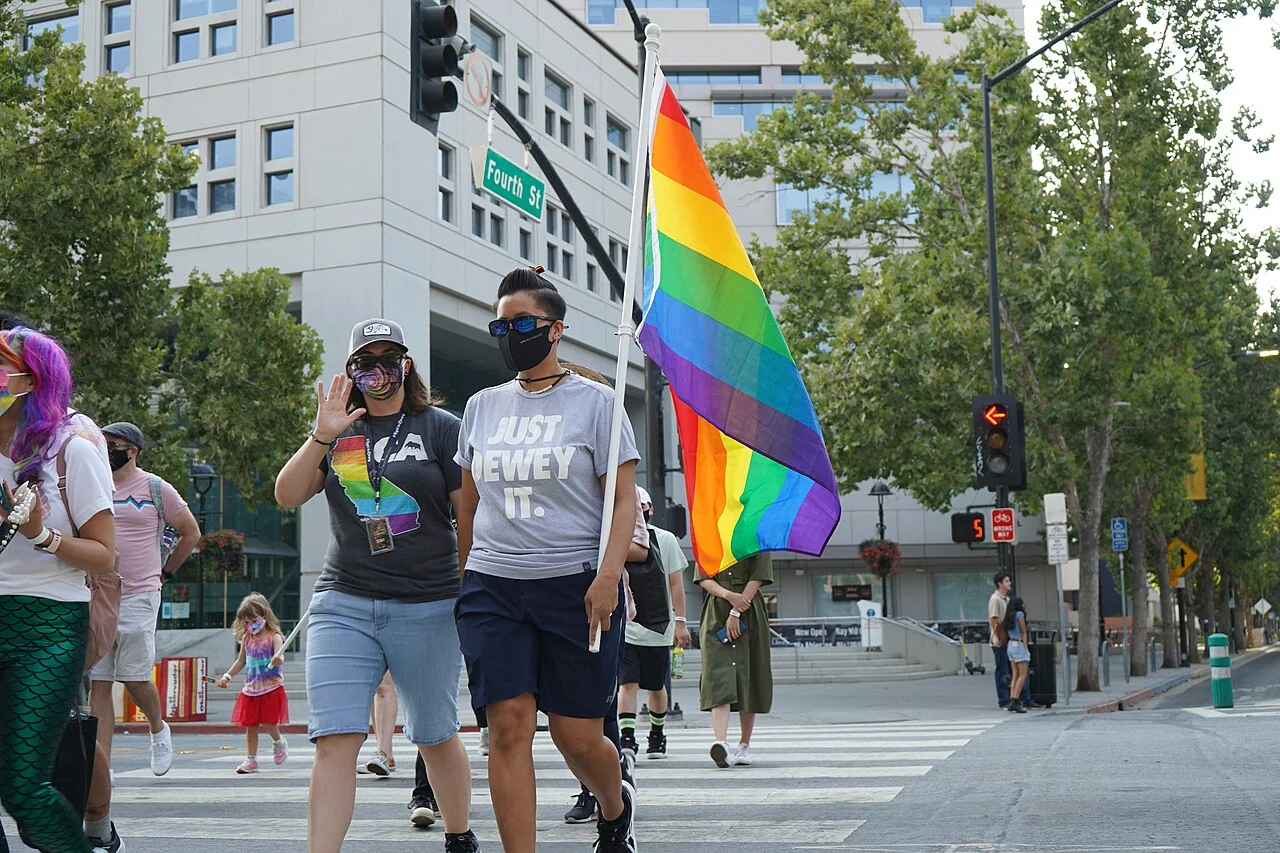
Cannabis retail inherits decades of unequal policing, gendered stigma, and coded “bro” culture. Women, queer, and BIPOC shoppers in San Jose are not a monolith, and they should not need bravery simply to buy a tested eighth. This is not a store tour. It is a checklist for reading a room.
Respect looks like ordinary professionalism: eye contact without harassment, no unsolicited comments on appearance, patience with questions, willingness to explain milligrams without condescension, and security that protects without profiling. It sounds like staff using stated names and pronouns when offered. It feels like being offered the same deals and education as any other adult, not a stereotype about what “your people” buy.
Red flags include jokes that sexualize women customers, deadnaming, racist banter behind the counter, pressure to buy higher-THC products after you stated a low-dose goal, or dismissing safety concerns about getting home. You can leave. In a city with a short registered list, leaving still matters, behavior travels by word of mouth faster than billboards.
Practical tactics: shop with a friend if that increases comfort; choose quieter hours; write your goals on your phone before security; ask for a different staff member if needed; keep receipts; report clear discrimination through company channels or appropriate city processes when warranted. Delivery can reduce time on a sales floor if the operator is properly authorized and your address qualifies, still verify licensing.
Community discounts for equity-related programs, veterans, or medical patients are policy tools some retailers offer; ask factually. Do not assume any single demographic owns cannabis culture in San Jose, the city’s Mexican, Vietnamese, Black, South Asian, queer, and many other communities all include adult consumers. Visibility at plaza festivals and lawful retail should expand belonging, not create new gatekeeping.
Respectful rooms are measurable: you leave with the product you meant to buy, your boundaries intact, and no story you have to shake off in the parking lot. That is the standard. Demand it. In San Jose’s limited storefront market, preparation beats impulse: verify the shop on SJPD’s registered cannabis businesses list, bring ID, read the package yourself after any recommendation, and keep consumption on private property with permission. Adult-use sales require customers 21 and older. Tax totals at checkout still apply. None of those retail realities replace clinician advice when health questions are personal. Quiet morning visits can leave more time for label reading than Saturday afternoon rushes after neighborhood events. Keep a simple personal log of milligrams, format, and how you felt the next day; pattern recognition beats lore. Share products only with other adults who consented, and store anything that looks like candy or soda away from kids and pets. If a sale tempts you to stock up, remember that discounts change cost, not onset time, impairment risk, or your calendar. South Bay adults who already shop licensed rooms know the pattern: lawful address, clear label, private use, rideshare when needed.